
Corruption

Corruption

Fair Finance Asia (FFA) collectively tracks and assesses the progress of improved financial sector policies and practices through evidence-based research on key sustainability themes, including corruption.

The FFA network brings together the combined research strength of Asian CSOs from diverse backgrounds and expertise on sustainability themes and financial sector advocacy. FFA draws on this growing body of sustainable finance research to engage in evidence-based advocacy with financial institutions, regulators, policymakers, and the private sector, calling for greater investment in sustainable activities and divestment from unsustainable ones. 
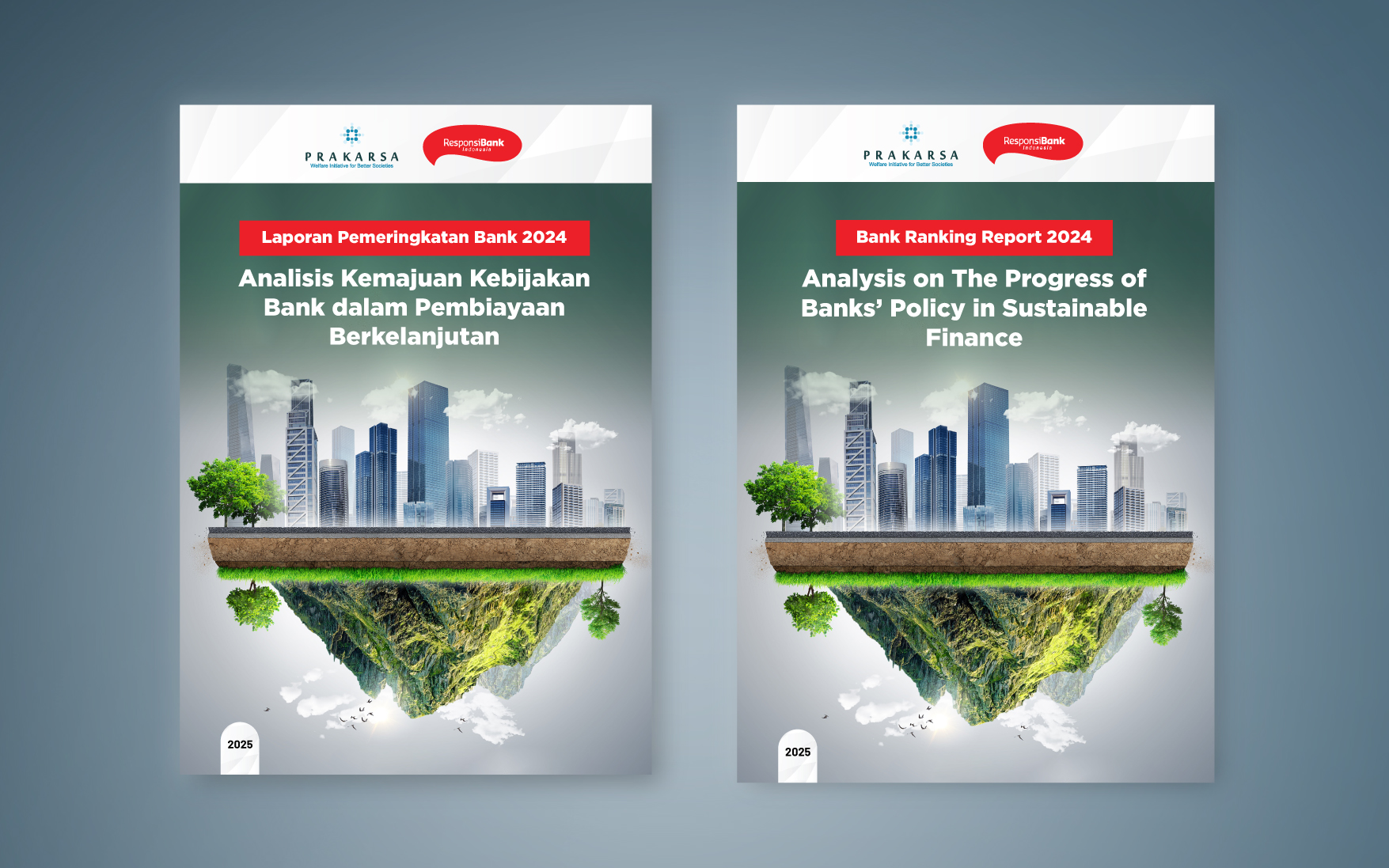
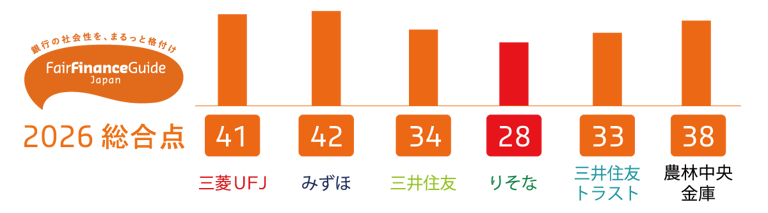
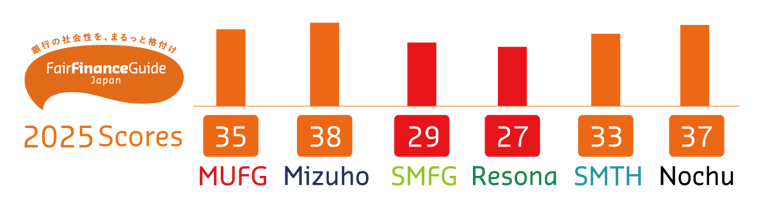
Average scores for bank policy assessment on corruption

Note: This was updated on March 2026 using the latest bank policy assessment scores from FFA countries are based on data from 2023 and 2024.

As part of a global network, Fair Finance Asia (FFA) uses a rigorous methodology to assess, report on, and campaign for more responsible investment policies and practices. By benchmarking the investment policies and practices of financial institutions in critical areas such as human rights and climate impact, we enable consumers, policy holders and citizens to demand more socially responsible, fair, and sustainable investments. An overview of the methodology and research process can be found here. Since 2014 a total of 159 banks and investors in 16 countries in 4 continents have been assessed using the Fair Finance Methodology: 131 banks, 20 insurance companies and 8 pension funds.

The FFA network brings together the combined research strength of Asian CSOs from diverse backgrounds and expertise on sustainability themes and financial sector advocacy. FFA draws on this growing body of sustainable finance research to engage in evidence-based advocacy with financial institutions, regulators, policymakers, and the private sector, calling for greater investment in sustainable activities and divestment from unsustainable ones.